
Learn To Think Like A Writer To Boost Your Communication With Clients
For lawyers, effective writing requires key skills that law schools seldom teach.
For lawyers, effective writing requires key skills that law schools seldom teach.

Immigration law expert Austin T. Fragomen, Jr. discusses the Biden Administration’s bold approach to immigration reform.

Willkie AI and Innovation leader Todd Friedlich spoke to LexisNexis about firm’s thoughtful approach to legal AI
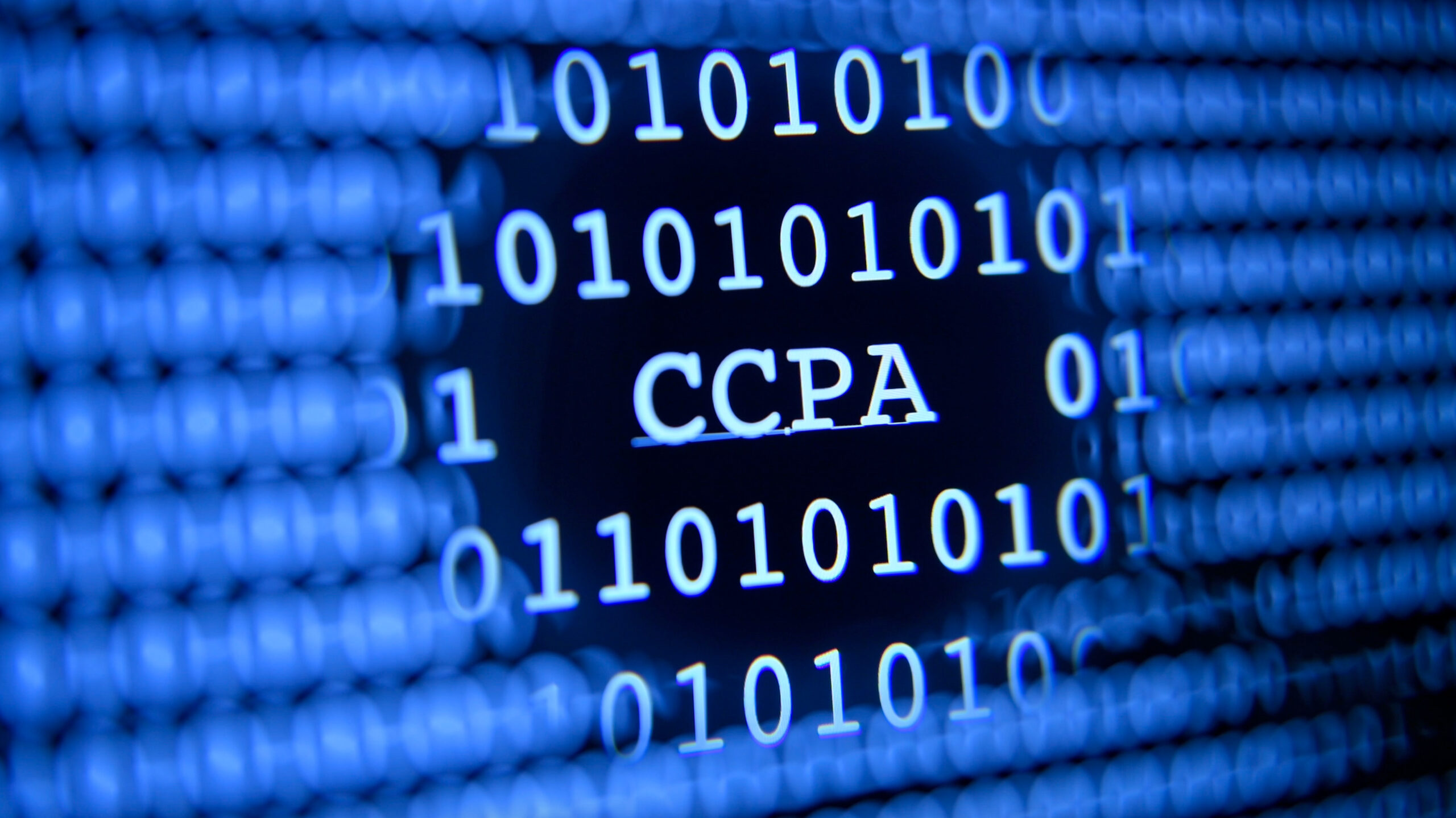
With new consumer privacy regulations rolling out across the country, make sure you’re aware of your clients’ responsibilities and risks under the CCPA.

Smart marketing can be a big asset to small law firms. Deborah Farone, who wrote the book on law firm business development, discusses today’s challenges – and opportunities.

Need to brush up on legal concepts and regulatory developments related to COVID-19? There’s a treatise for that.

Having access to a robust online library of legal publications can make a real difference for small firms, especially during the era of remote work.

Confronting Biglaw’s ‘snake eating its own tail’ problem.

Pro bono is of critical importance as individuals and businesses across the nation face unprecedented challenges due to the pandemic and economic downturn.

Marijuana and hemp present compelling business opportunities for your clients. But navigating through the haze of regulations and business models can be confusing – and risky. The Legal Guide to the Business of Marijuana, from PLI Press, advises attorneys interested in practicing in this area.

Bridge-the-Gap programs offered by Practising Law Institute (PLI) help hone new attorneys’ skills in ethics, communications, negotiations, and more.

For over 80 years, PLI has provided training and resources for lawyers at all stages of their careers. Get an inside look at the organization that practically invented CLE.
Every new tool a PI firm buys solves one problem and connects nothing. The real fix isn't another purchase — it's keeping the whole case in one place, from accident to resolution. Here's how.